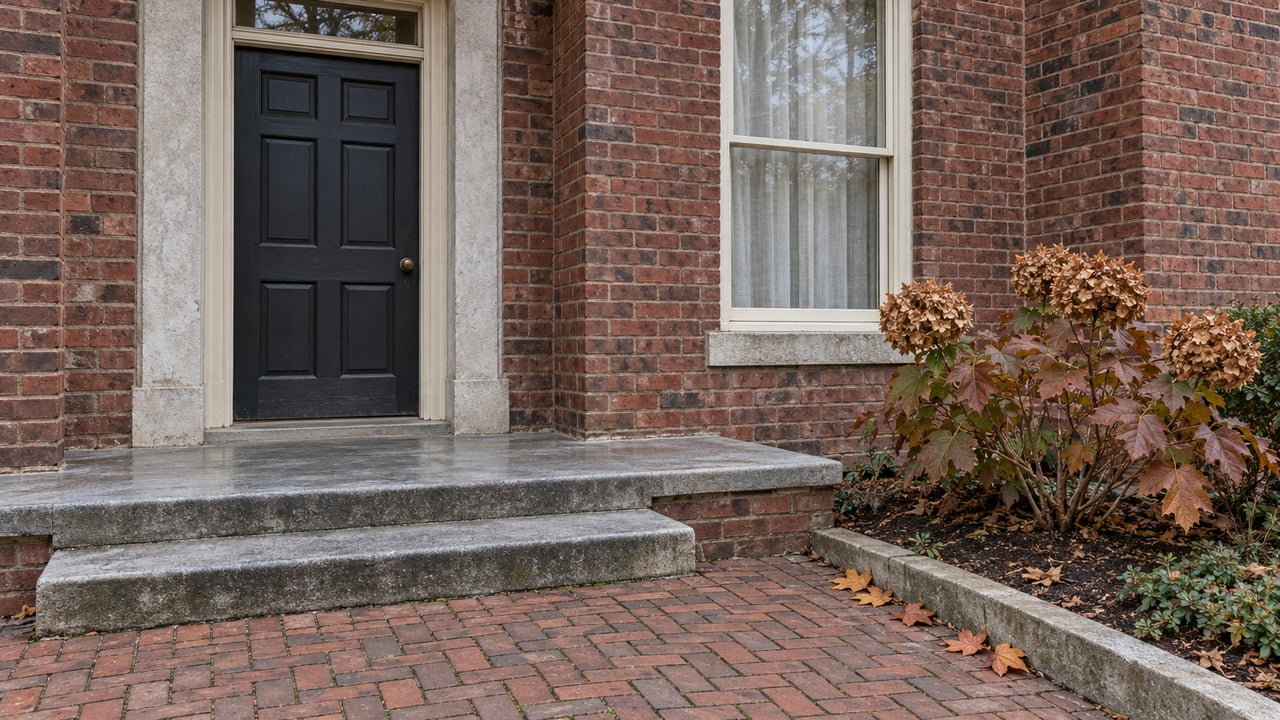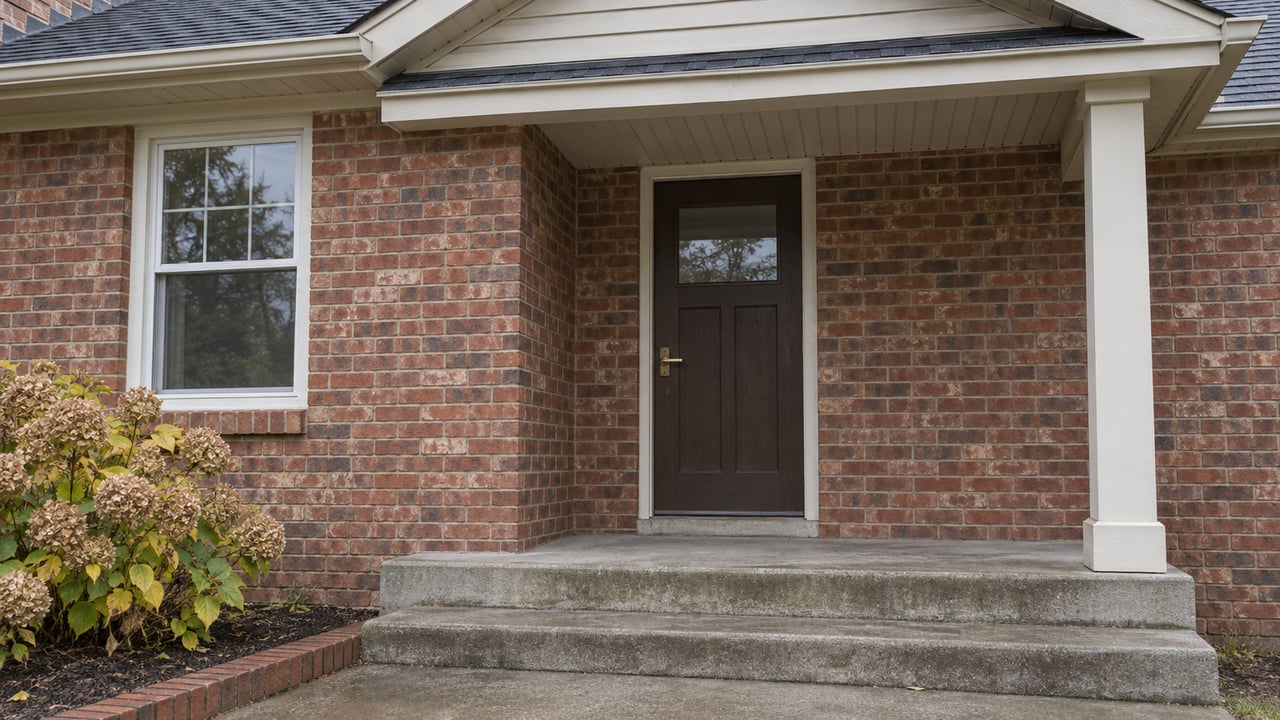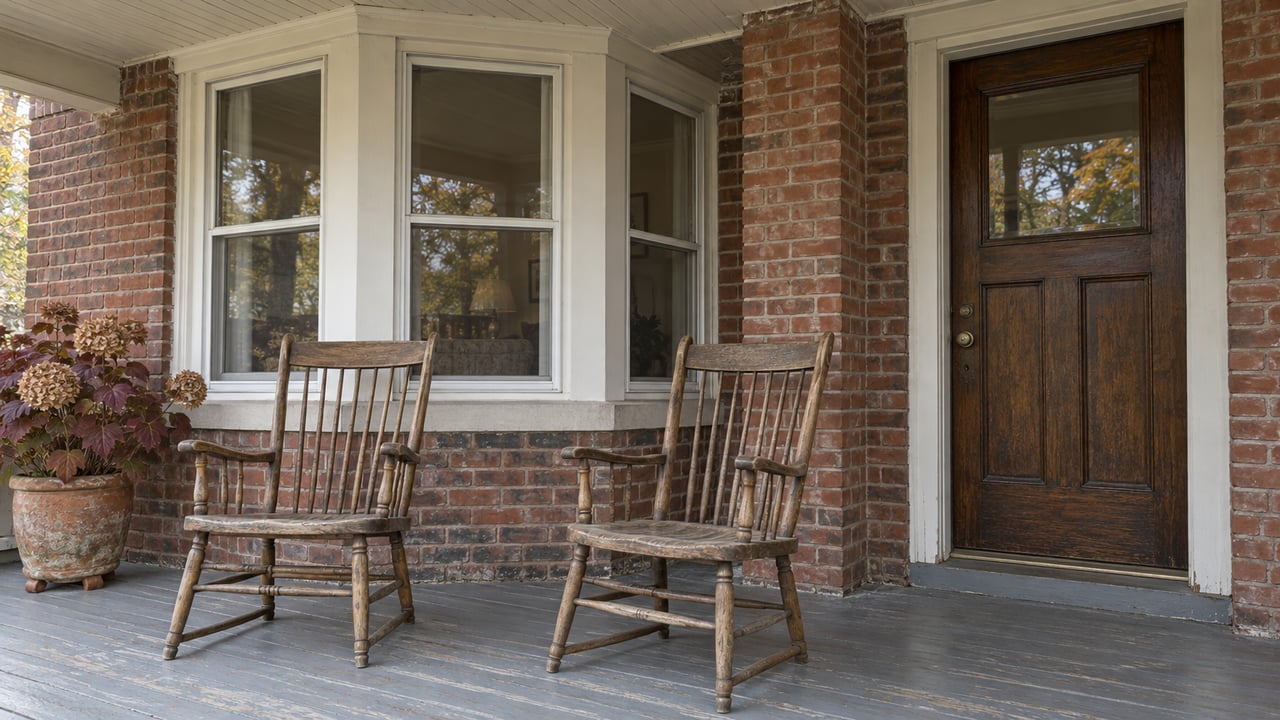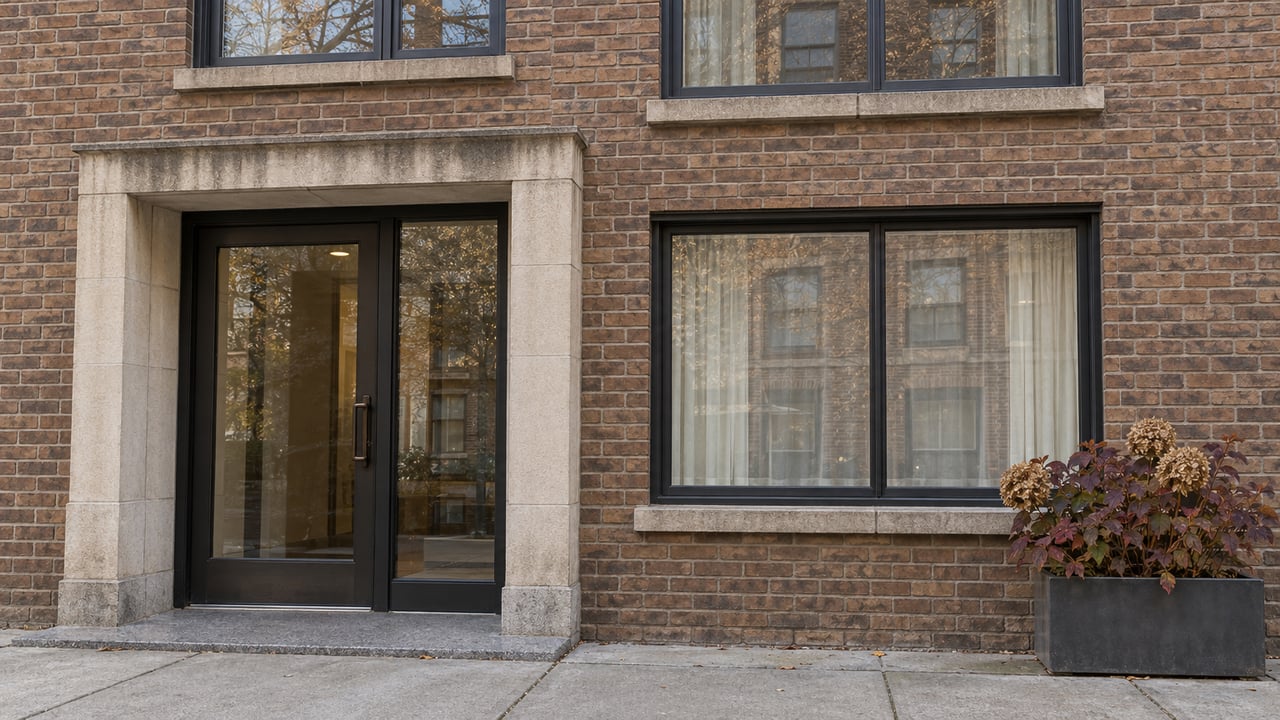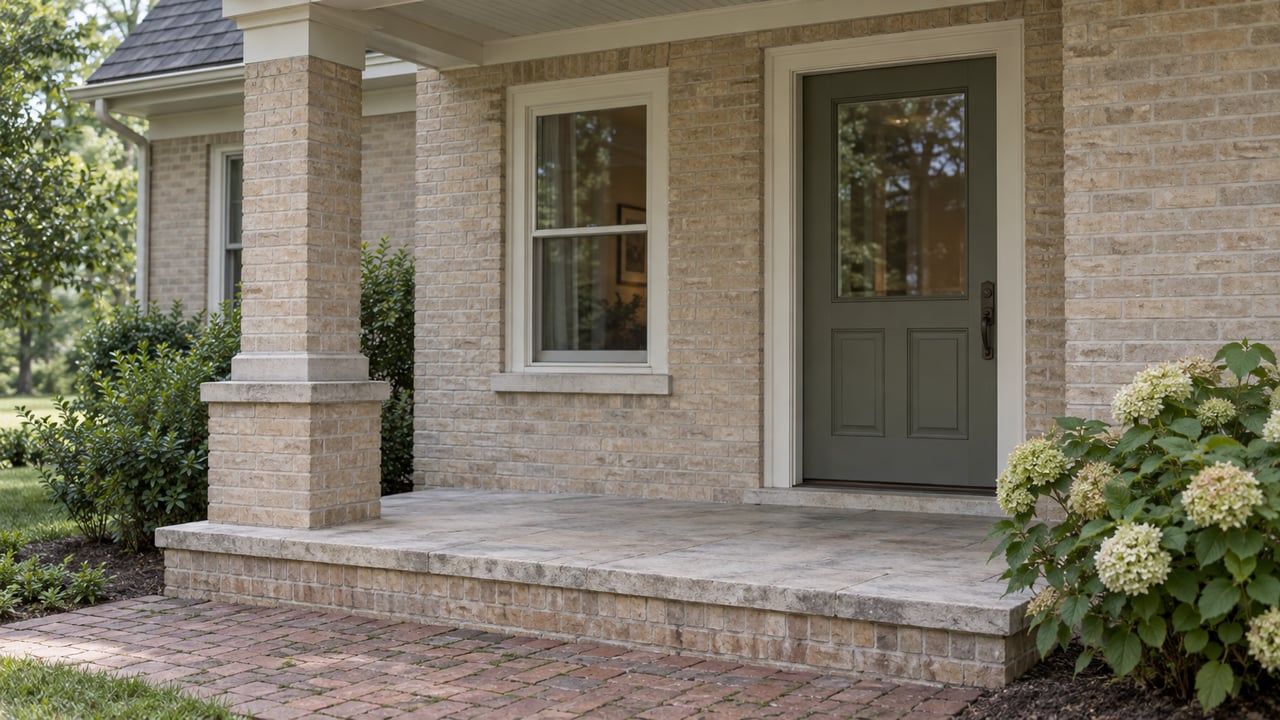
Walk down Cherrylawn or Greenlawn on a clear fall afternoon and you'll pass limestone-faced Tudors with leaded glass and steep slate-pattern gables, a Mediterranean-style stucco home with a red tile roof two doors down, then a brick Colonial Revival with a fanlight over the door. Nothing about the block looks improvised. It looks like a district some commission sat down and approved lot by lot, the way Boston-Edison or Sherwood Forest were.
It wasn't. The City of Detroit's interactive local historic district map shows University District is not a designated local historic district. Sherwood Forest, its neighbor just across Seven Mile, has. That single administrative fact, easy to miss when every house on the street reads as the same era of craftsmanship, changes what a buyer should expect at inspection, what they're free to do with the house afterward, and where the real financial exposure sits in a deal.
One Neighborhood, Two Different Legal Realities
The Detroit Historic District Commission reviews exterior changes: window replacements, roofing material, additions, sometimes even paint color. That review exists to preserve a specific architectural record, and it comes with both a cost (approval timelines, sometimes higher-cost historic materials) and a benefit (protection against a neighbor's mismatched renovation devaluing the block).
University District has no such body. What it has instead is a Special Assessment structure and an active community association that fund services like security patrol and snow removal, and a voluntary neighborhood membership that runs roughly $125 a year and covers things like community landscaping and merchant discounts. Those are real, useful services. They are not the same thing as a historic commission with the authority to approve or deny what you do to your own facade.
For a buyer, that means two things at once. You have more renovation freedom in University District than you would two blocks north in Sherwood Forest. You also have no historic-district design oversight. The house next door can get vinyl replacement windows and there's no board to object. Your own additions face city permitting, not architectural review.
What Actually Got Built Here
The uniform look isn't an accident, it's just not the product of a commission. University District's roughly 1,200 to 1,400 single-family homes went up in two concentrated waves, 1925 to 1930 and again in 1937 to 1941, according to the University District Community Association's own history. That's the "golden age of housing" era locally: skilled masons and old-world tradespeople were plentiful, construction costs were low relative to the quality delivered, and builders leaned into Tudor, Colonial Revival, Mediterranean, and French Provincial detailing because they could afford to.
That's also exactly the era home inspectors flag as its own category of risk, independent of how well the house has been maintained.
The Findings That Show Up Regardless of the Facade
Ryan Young, a licensed Michigan residential builder and InterNACHI Certified Master Inspector who works across Detroit's older neighborhoods, points to a consistent list of systems that show up in pre-1960 housing stock: two-prong or Federal Pacific Stab-Lok electrical panels that need replacement for safety and capacity, knob-and-tube or aging cloth-insulated wiring in the oldest sections of a house, and galvanized steel supply lines paired with cast-iron sewer laterals that corrode and root-invade over decades.
None of that is specific to a single bad flip or a neglectful owner. It's what balloon framing, plaster over lath, and a construction date in the 1920s or 1930s produce as a matter of course, whether the house has been lovingly kept or not.
The dollar exposure is not small. One Detroit inspection firm with more than three decades of construction experience puts unseen sewer line problems at eight thousand to twenty thousand dollars once you're the owner, which is why a standalone sewer scope, not the general home inspection, is the tool that actually catches it. A basic visual plumbing check runs closer to one to two hundred dollars and won't see inside the pipe at all. A camera inspection, in the three hundred to eleven hundred dollar range, is what tells you whether that cast-iron lateral under the front lawn is fine or is the next line item on your closing statement.
Add the other originals: Michigan basements (a lower brick-walled sub-basement below the main basement, standard in this housing stock and easy to mistake for a defect if you've never seen one before), roofs that started as cedar shake or slate and have since been replaced with asphalt at least once, and masonry that's a century old and was never designed around modern insulation standards.
What the Price Range Is Actually Pricing
Listing data for the neighborhood shows a spread from roughly $175,000 for a four-bedroom that needs work up to $600,000 for a five-bedroom that's already move-in ready. That's not two different neighborhoods. It's the same architecture, the same lot sizes, the same 1920s and 1930s construction, priced almost entirely on whether someone already paid for the panel, the pipes, and the roof.
| Condition | Typical price band | What's usually already handled |
|---|---|---|
| Needs full systems work | ~$175,000 | Rarely; original panel, pipes, and roof likely still in place |
| Partially updated | Mid-range | Some systems replaced, others deferred |
| Move-in ready | ~$600,000 | Panel, plumbing, and roof already brought current |
That's the practical version of the thesis. The architecture sells the neighborhood. The systems set the price.
The Financial Piece Most Buyers Skip
Wikipedia's University District entry identifies the neighborhood as a Neighborhood Enterprise Zone, which can entitle a home buyer to reduced property taxes for up to fifteen years. That's a meaningful number over the life of a mortgage Whether that abatement transfers cleanly to a new owner or needs to be reapplied for is a detail worth confirming before you're locked into a closing date, not after.
Because there's no historic commission here, there's also no district-level grant program or shared-cost mechanism that sometimes exists in formally designated districts to offset the price of, say, historically accurate windows or slate roof repair. Whatever the inspection turns up, the owner carries alone. That's the tradeoff for the renovation freedom: nobody's telling you what to do to the house, and nobody's helping you pay for it either.
What This Changes About Your Offer
A University District purchase agreement is a good place to ask for a standalone sewer scope, not the general inspection's plumbing summary. It's a good place to confirm the seller's NEZ certificate and whether it's still active or needs a new application in your name. And it's a good place to stop assuming that because a house looks preserved, someone else already checked the panel.
The neighborhood's own architecture makes a strong case for itself. The inspection report is where the actual condition shows up, and that report is doing more work here than it would in a subdivision built to a single modern code in a single year.
FAQ
Is University District a designated historic district? No. It's architecturally consistent and covered by a Special Assessment structure and community association, but there's no historic commission reviewing exterior changes, unlike neighboring Sherwood Forest.
Do University District homes need any inspection beyond the standard one? A standalone sewer scope is worth the few hundred dollars given how common cast-iron lateral issues are in this era of construction, and it's not typically included in a general home inspection.
Does the Neighborhood Enterprise Zone tax break automatically transfer to a new buyer? Status and transferability are worth confirming with the seller and the city before you're past your inspection contingency.
Kristi and Clarence Mishaw work University District deals with an agent and a contractor in the same conversation, which means the sewer scope gets ordered before it becomes a surprise and the NEZ paperwork gets checked before it becomes a closing-day scramble. If you're looking at a house in this neighborhood, Team Mishaw can walk the inspection report with you line by line before you decide what to do with it.
This article is general information, not legal, tax or financial advice. Consult a qualified professional about your situation.