If you are getting ready to sell in University District, your prep plan matters more than you might think. In a neighborhood known for 1920s and 1930s homes, preserved architectural details, and highly visible curb appeal, buyers notice both the charm and the condition. The good news is that you do not always need a full renovation to make a strong impression. With the right updates, smart staging, and a few local checks before you list, you can present your home with confidence. Let’s dive in.
Start With What University District Buyers Notice
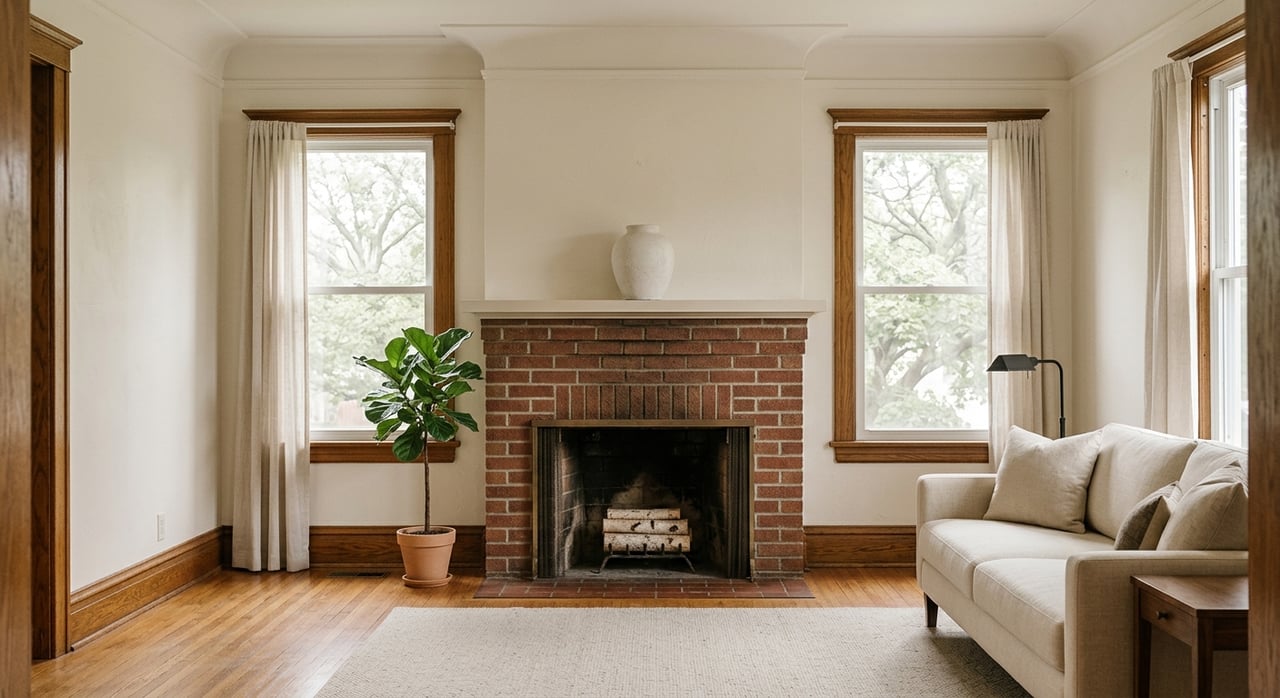
University District has a distinct housing character. Local sources describe the neighborhood as being largely developed in the 1920s, with homes that often feature Tudor, Colonial, Mediterranean, and French Provincial styles along with details like original hardwood floors, stained glass, fireplaces, tile, plaster crown moldings, and grand foyers.
That matters when you prepare to sell because buyers are often responding to both the house itself and how well its original character has been maintained. In a historic, tree-lined area where exterior presentation is especially visible, small issues can stand out just as much as beautiful details.
Before you make a to-do list, walk through your home with fresh eyes. Ask yourself what feels special, what feels worn, and what might distract a buyer from seeing the home’s strengths.
Focus on High-Impact Prep First
The most effective seller prep usually starts with the basics. In the National Association of Realtors 2025 staging survey, sellers’ agents most often recommended decluttering, whole-home cleaning, and improving curb appeal.
For a University District home, that foundation is especially important. Historic homes tend to show best when they feel clean, calm, and well cared for, rather than overly updated or stripped of original character.
Declutter Without Emptying the Home
Buyers need room to look at the architecture, not just your belongings. Remove excess furniture, clear tabletops, simplify bookshelves, and store off-season items so rooms feel more open.
This step is especially helpful in older homes, where doorways and stairs can be tighter than in newer construction. Clear circulation helps buyers move through the home more easily and also improves photography.
Deep Clean Every Surface
A deep clean is one of the highest-return prep steps you can take. Pay close attention to hardwood floors, trim, tile, windows, fireplaces, and kitchens and baths, since buyers tend to notice both the beauty and the upkeep of original materials.
Historic details photograph better when they are clean and unobstructed. Even a lovely plaster molding or stained-glass window can get lost if the surrounding space feels dusty or crowded.
Repair Small Problems Before They Multiply
Minor issues can make buyers wonder about larger ones. Touch up paint where needed, fix loose hardware, repair dripping faucets, replace burned-out bulbs, and address obvious scuffs or cracked caulk.
In a neighborhood where craftsmanship is part of the appeal, deferred maintenance can pull attention away from the home’s best features. A short repair list now can help your home feel more polished and more move-in ready.
Preserve Original Character Whenever Possible
One of the biggest mistakes sellers can make in a historic home is covering up what makes it memorable. University District home-tour materials highlight original hardwood floors, stained glass, tile, crown molding, grand foyers, and fireplaces as features worth preserving and restoring.
If those elements are in good shape, make them part of the selling story. Clean and showcase them instead of replacing them with generic finishes that may not fit the house.
Keep Updates Selective
In many cases, selective cosmetic updates make more sense than major remodeling before listing. Paint touch-ups, better lighting, a deep clean, and minor repairs can go a long way while keeping the home’s original style intact.
If you are unsure where to spend money, think about visibility first. Buyers tend to respond well to improvements that make a home feel brighter, cleaner, and easier to imagine living in.
Let Architectural Features Lead
Arrange furniture and decor so period features stay visible. Do not block stained glass with heavy window treatments or hide a fireplace behind oversized furniture.
If you have original floors, trim, tile, or plaster details, let those materials stand out. In many University District homes, those details are part of what gives the property its identity.
Stage the Rooms That Matter Most
You do not have to stage every inch of the house at the same level. According to the 2025 NAR survey, buyers’ agents said the living room was the most important room to stage, followed by the primary bedroom and kitchen.
That gives you a clear order of operations if you want to focus your budget and effort.
Living Room
The living room often sets the tone for the entire showing. Keep seating balanced, remove extra pieces, and create a layout that highlights natural flow, windows, and features like fireplaces or built-ins.
Because many University District homes have strong architectural bones, the goal is not to overdecorate. It is to help buyers see comfort, scale, and character at the same time.
Primary Bedroom
Your primary bedroom should feel restful and spacious. Use simple bedding, reduce visual clutter, and remove bulky or overly personal items.
If the room is not large, keep furniture to the essentials. This helps buyers focus on the room itself instead of how tightly it is furnished.
Kitchen
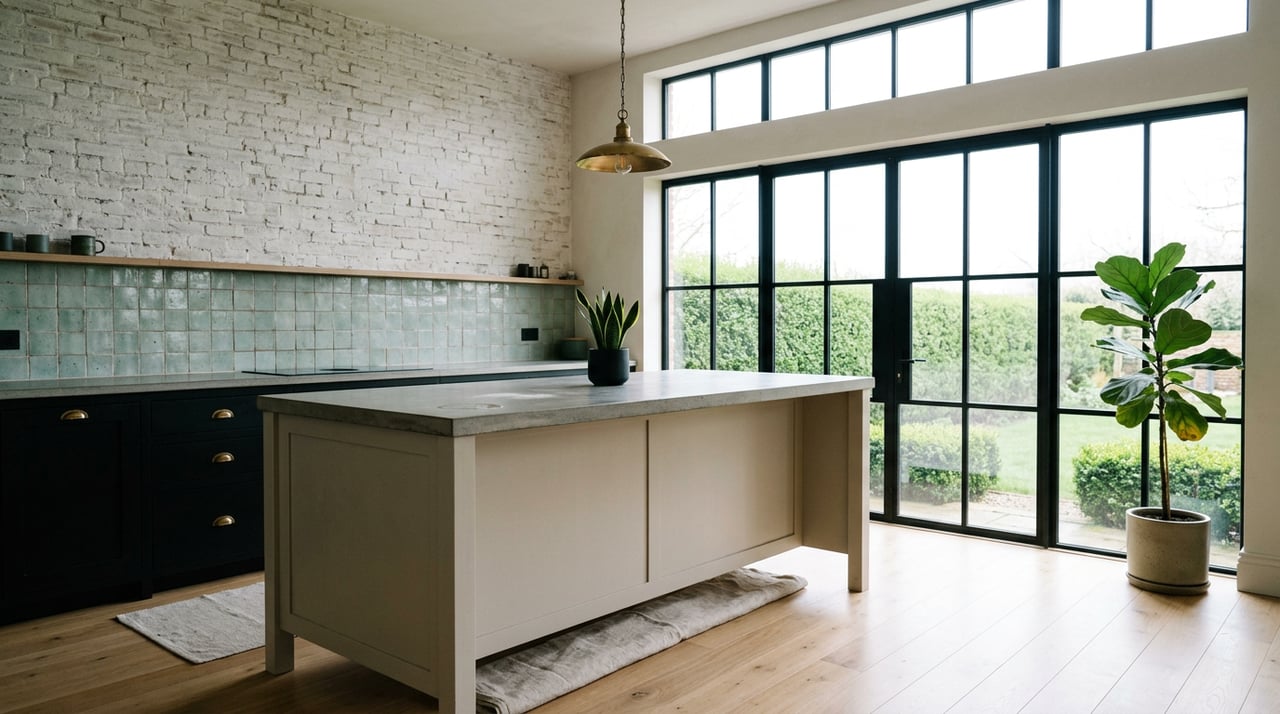
Kitchens do not need to be fully remodeled to show well. Clear counters, organize visible storage areas, replace outdated light bulbs, and make sure every surface is spotless.
If there are small cosmetic fixes you can make easily, such as touching up paint or replacing worn hardware, those updates can help the kitchen feel more cared for without taking on a major project.
Put Extra Attention on Curb Appeal
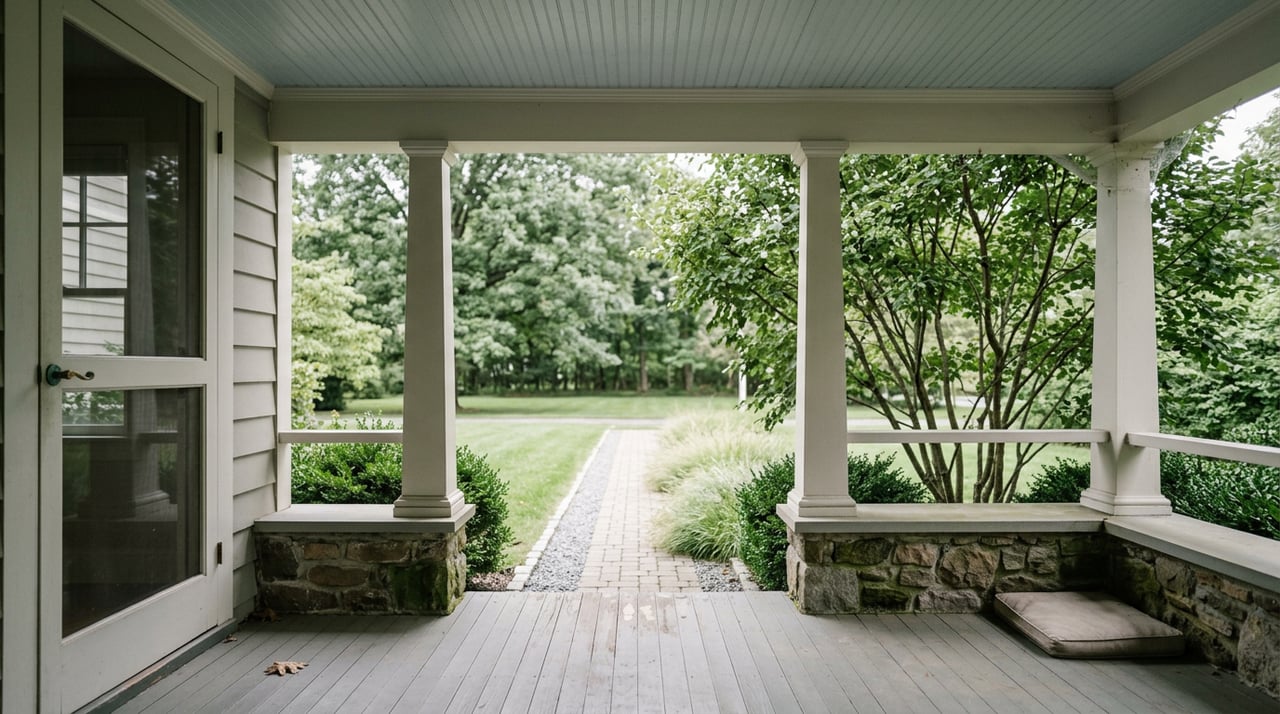
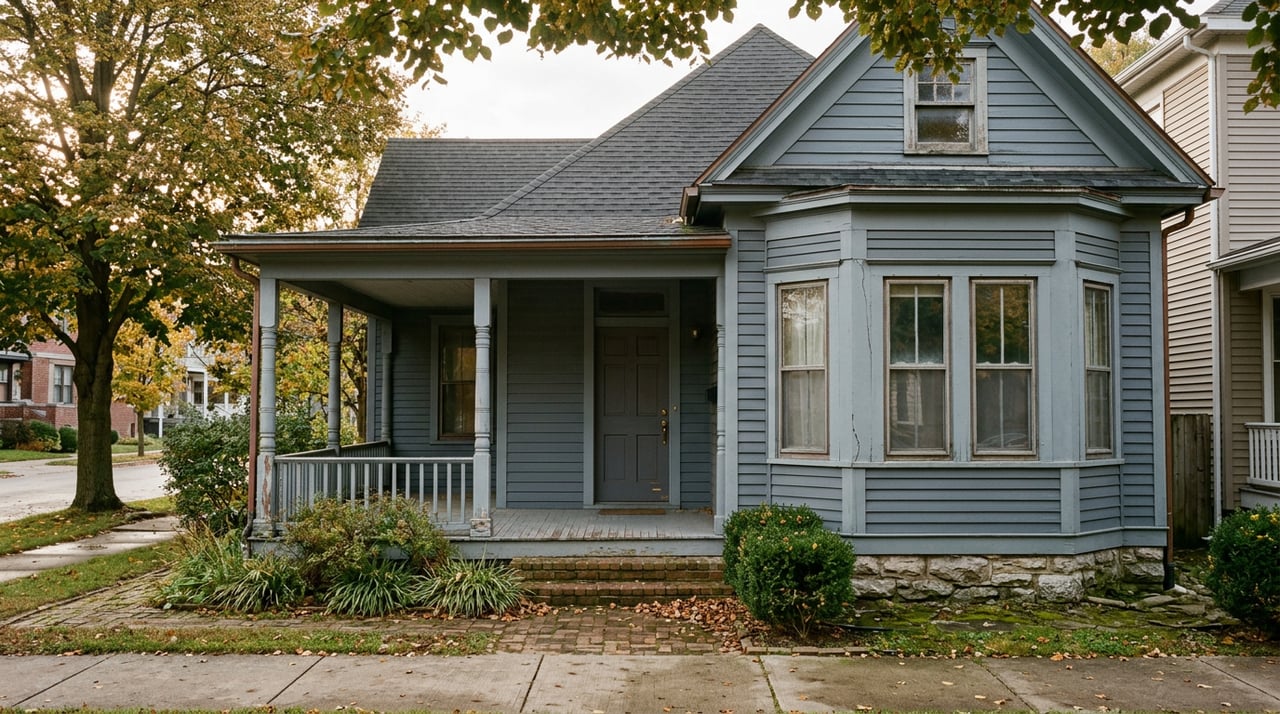
Exterior appearance carries real weight in University District. The neighborhood is known for historic homes, masonry exteriors, porches, and tree-lined streets, and the local community culture places value on presentation and upkeep.
That means buyers often start forming their opinion before they even enter the house.
Improve the First View
Focus on simple, visible wins:
- Trim landscaping
- Clear walkways and porches
- Remove debris and seasonal clutter
- Freshen the front door area
- Make sure house numbers and exterior lighting look tidy
- Highlight brick, masonry, and porch details
These steps help the home feel maintained without changing its historic character.
Be Careful With Exterior Changes
Before making exterior changes, verify whether your property is in a local historic district using the City of Detroit’s map. If it is, exterior changes to buildings or sites may require review by the Historic District Commission, and the city states that a building permit is required for exterior changes in a designated or proposed historic district.
This can affect plans for windows, roofing, siding, paint, fences, paving, and even some landscaping or site work. The city also warns that unapproved exterior work can stay with the property and complicate or prevent transfers or sales.
Check Permits and Prior Work Early
Older homes often come with a longer history of repairs and upgrades. Before you list, it is smart to look into any past exterior changes or major work that may have needed city approval.
Detroit requires permits for construction, alteration, repairs, demolition, and regulated electrical, gas, mechanical, or plumbing work. Ordinary cosmetic prep is different, but permit-related questions are much easier to solve before your home hits the market than after a buyer starts asking.
Questions to Answer Before Listing
Use this quick checklist:
- Is the property in a local historic district?
- Were past exterior changes approved if approval was required?
- Is there any unfinished permit history to resolve?
- Are there older paint layers that could affect prep plans?
- Will any planned repairs go beyond cosmetic work?
These are the kinds of issues that can affect your timeline, your risk, and how smoothly your sale moves forward.
Handle Lead Paint Rules If Your Home Is Older
Because most University District homes were built before 1978, lead-based paint rules are often part of the sale process. Federal law requires sellers of most pre-1978 housing to disclose known lead-based paint information before sale, provide the EPA pamphlet, and allow a 10-day inspection period.
If you are planning repainting or renovation work that could disturb old paint, use lead-safe work practices. This is an important detail to think through early, especially if you are trying to prep quickly.
Time Photography After Prep Is Complete
Strong visuals are essential. In NAR’s 2025 survey, buyers’ agents rated photos as the most important listing tool, and sellers’ agents placed even greater importance on them.
That means your photo day should come after decluttering, cleaning, staging, and minor repairs are done. Better images usually do more for buyer interest than adding extra decor.
What Photos Should Highlight
For a University District home, photography should capture:
- Curb appeal and landscaping
- Brick, stone, or Tudor-style exterior details
- Porches and entryways
- Fireplaces and original trim
- Hardwood floors, tile, and plaster details
- Grand foyers or other standout architectural moments
If your home has preserved historic features, those are often some of the strongest visual assets in the listing.
Think Practical, Not Overdone
The best prep plan is usually the one that matches the house, the neighborhood, and your likely buyer. In University District, that often means thoughtful editing rather than dramatic change.
Clean rooms, clear pathways, preserved details, and polished presentation can go a long way. When you pair that with early permit checks and a strong marketing plan, you put your home in a better position to stand out.
If you want help deciding what to fix, what to leave alone, and how to present your University District home for the market, Kristi Mishaw Realty Co. can help you build a smart plan that respects the house and supports your sale.
FAQs
What should sellers fix before listing a University District home?
- Focus first on decluttering, deep cleaning, minor repairs, paint touch-ups, lighting improvements, and curb appeal while preserving original features when possible.
What original features matter most in a University District home sale?
- Features often worth highlighting include original hardwood floors, stained glass, fireplaces, tile, crown molding, plaster details, and grand foyers.
What rooms should sellers stage first in a University District house?
- Start with the living room, then the primary bedroom, then the kitchen, since those rooms were rated most important to stage in the 2025 NAR survey.
What should University District sellers know about historic district rules?
- Before making exterior changes, check whether the property is in a local historic district because some exterior work may require Historic District Commission review and city permits.
What permit issues can delay selling a Detroit home?
- Unapproved exterior work, unresolved permit history, or planned repairs that require permits can complicate timing and create issues during the sale process.
What lead paint rules apply to older University District homes?
- Sellers of most pre-1978 homes must disclose known lead-based paint information, provide the required pamphlet, and allow a 10-day inspection period before sale.