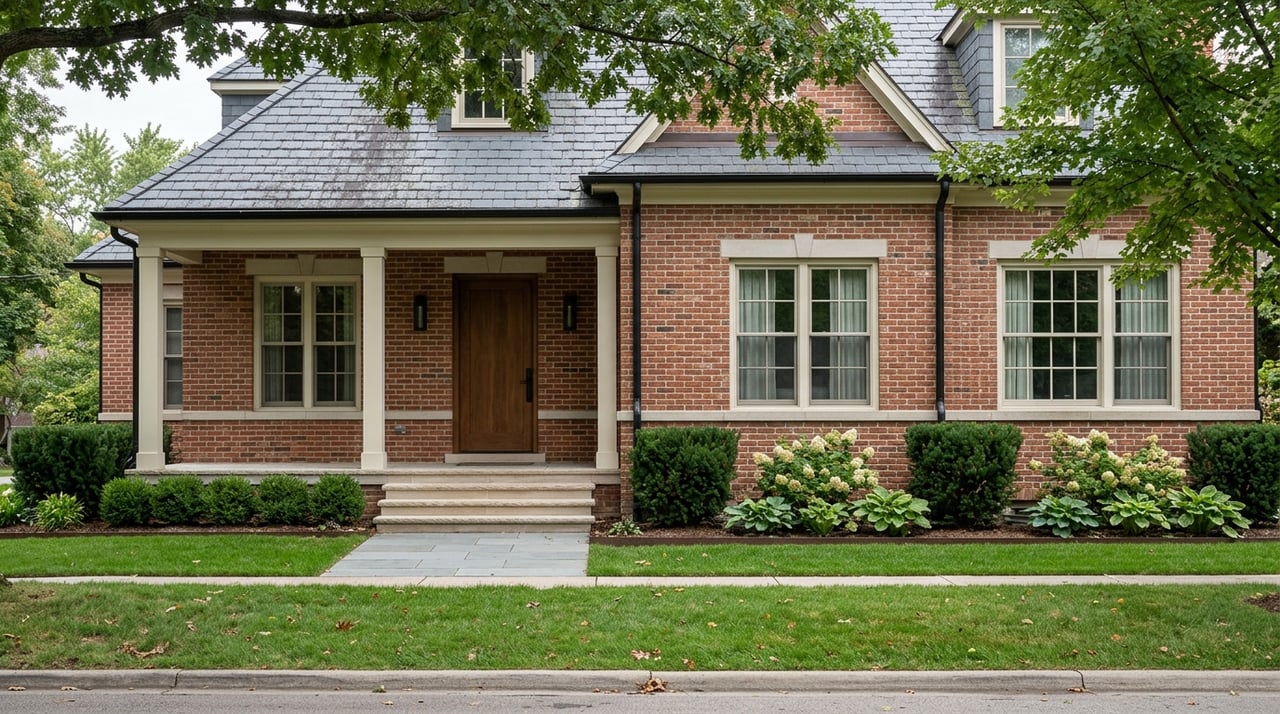
Looking for a Detroit neighborhood that feels established, distinctive, and full of possibility? Palmer Woods stands out for exactly that reason. If you are drawn to historic homes but still want room to update for modern living, this neighborhood offers a rare mix of architectural character, large lots, and practical potential. Let’s dive in.
Why Palmer Woods Stands Out
Palmer Woods is a historic Detroit neighborhood of about 300 homes, located west of Woodward Avenue and north of Seven Mile Road. From the start, it was planned to feel different from the standard city grid. Curving streets, wooded views, and limited through streets still shape the neighborhood experience today.
That layout came from landscape architect Ossian Cole Simonds, whose design emphasized a natural, cohesive setting. As a result, Palmer Woods feels tucked away while still offering access to nearby everyday destinations. The neighborhood association points to Palmer Park, Gateway Shopping Center, and the Livernois Avenue of Fashion as part of that convenience.
Historic Design With Lasting Appeal
One of the biggest draws in Palmer Woods is the architecture. Tudor Revival is the most common style, but it is far from the only one you will see. The neighborhood also includes Neo-Georgian, Mediterranean, Modern, Craftsman, Greek Revival, Dutch Colonial Revival, English Cottage, French chateau, and International Style homes.
That variety gives you choices without losing the neighborhood’s visual identity. Many homes were originally built during Detroit’s auto-industry boom for executives and other prominent residents. Designers represented in the neighborhood include Frank Lloyd Wright, Minoru Yamasaki, Albert Kahn, Maginnis & Walsh, C. Howard Crane, Richard Marr, and other local firms.
Lot Sizes Create A Different Feel
Palmer Woods does not just look different because of its homes. It also feels different because of the land. The neighborhood’s self-guided tour notes an average lot width of 100 feet and an average depth of 175 feet, with some properties reaching one acre or spanning two lots.
Those larger, irregular lots create a more secluded and estate-like setting than you find in many Detroit neighborhoods. Deep setbacks, mature trees, and winding drives all add to that character. If privacy, yard space, and a stronger sense of separation matter to you, this is a major part of Palmer Woods’ appeal.
What Buyers Can Expect Inside
If you tour homes in Palmer Woods, you will likely see details that are hard to replicate in new construction. Archived homes in the neighborhood show features like marble foyers, ornate plaster mouldings, carved stone fireplaces, oak or mahogany paneling, exposed beams, and leaded windows. Some also include stained glass, Pewabic tile, original light fixtures, and limestone trim.
The floor plans can be just as distinctive as the finishes. Formal libraries, dining rooms, breakfast rooms, chapels, and large entertaining spaces appear in archived examples. French doors, slate roofs, original tile floors, and even concealed wet bars show how much personality these homes can offer.
At the same time, not every house follows the same pattern. You may find a classic Tudor on one block and a Mediterranean villa, Dutch Colonial Revival, French chateau, Greek Revival, or the 1956 Turkel House by Frank Lloyd Wright elsewhere in the neighborhood. That range gives buyers room to match the style to their own taste.
Modern Potential Is Part Of The Draw
Historic homes often raise an important question: can you enjoy original character without giving up modern comfort? In Palmer Woods, the answer can be yes, especially when updates are handled thoughtfully. The best renovations tend to preserve the home’s massing, materials, and visible historic details while improving the way the house functions day to day.
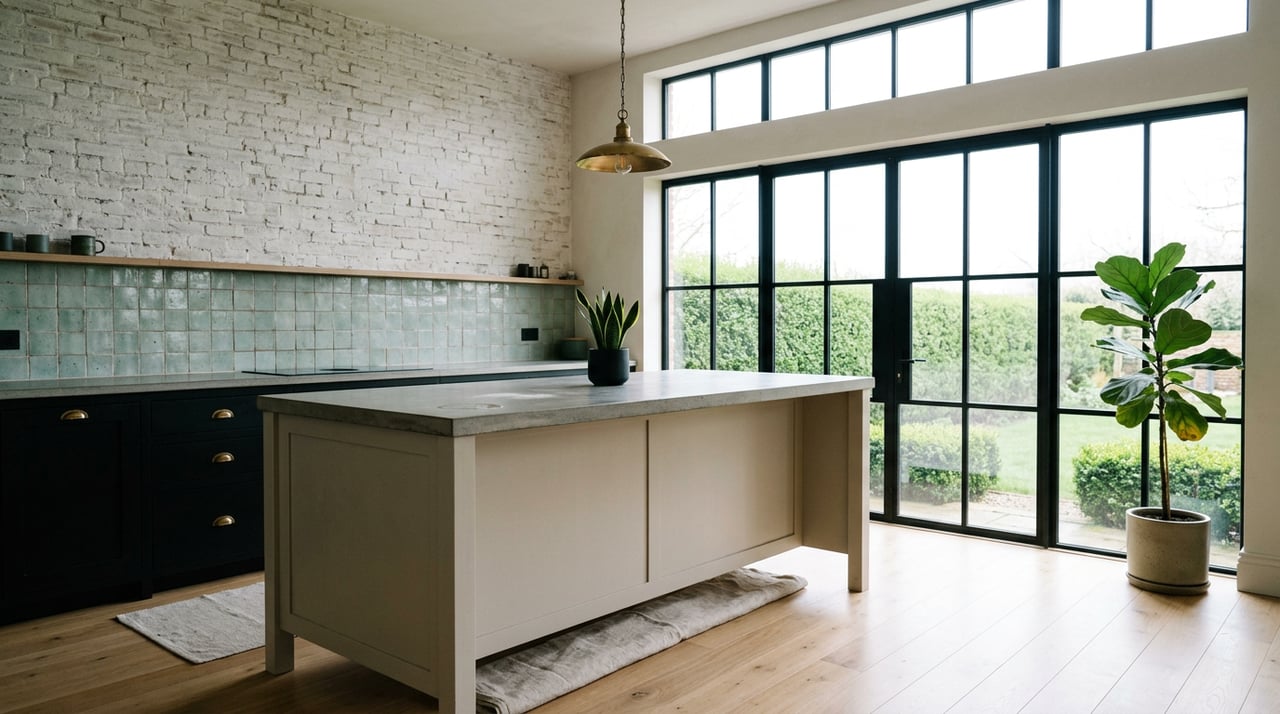
One archived Palmer Woods home highlights a kitchen renovation completed in 2015 that stayed consistent with the look of a 1920s house. That is a useful example of how modernization can work here. You do not have to strip away the home’s identity to improve layout, systems, or everyday convenience.
This is where practical renovation insight matters. If you are considering a home that needs work, you want to know not just what could be changed, but what should be preserved and how upgrades may fit the house. In a neighborhood like Palmer Woods, that balance can have a big impact on both livability and long-term value.
Turnkey Homes And Project Opportunities
Palmer Woods can appeal to more than one kind of buyer. Some homes are already fully renovated and ready for a more turnkey experience. Others still need updates, which can attract buyers who want to shape the house around their needs and style.
That flexibility is part of the neighborhood’s strength. If you want historic character without taking on a major renovation, there may be options that fit. If you value the chance to restore or improve a significant older home, Palmer Woods also offers that path.
Smart Due Diligence For Older Homes
When you shop in Palmer Woods, charm should be matched with careful review. Older masonry homes can be wonderful to own, but they also require a close look at condition and prior work. The most important questions usually come down to how well the house has been maintained and how thoughtfully it has been updated.
Here are some key areas to review:
- Roof and exterior materials: Ask about slate roof age, past repairs, tuckpointing, limestone condition, stucco maintenance, and any water-intrusion history.
- Windows and doors: Leaded windows, stained glass, and original wood doors are part of the architectural character, so quality matters if replacements have been made.
- Interior systems: Verify what has been updated in the kitchen, baths, electrical, plumbing, and HVAC, and whether that work fits the home well.
- Site function: Large and irregular lots make drainage, driveway layout, tree coverage, and placement of additions or outbuildings especially important.
- Deferred maintenance: Porches, chimneys, and exterior masonry deserve extra attention in older homes with complex materials and detailing.
If you are buying, this is where a detail-oriented approach can save time and stress. A home may look polished at first glance, but the real story often sits in the roofline, windows, site drainage, and mechanical systems.
What To Know About Historic Oversight
Palmer Woods has a strong preservation mindset, but it is important to understand the current designation status. According to the neighborhood association’s historic-designation materials, Palmer Woods is not currently a City of Detroit local historic district. The board has been studying whether designation should be pursued.
That matters because Detroit’s Historic District Commission reviews exterior changes only in formally designated local historic districts. Under the current status, Palmer Woods owners are not subject to that specific review layer today. Even so, the neighborhood association’s standards and preservation resources reflect a strong culture of stewardship.
Everyday Lifestyle In Palmer Woods
Beyond the homes themselves, Palmer Woods offers access to nearby amenities that support daily life. The neighborhood association highlights nearby Palmer Park, which includes tennis courts, a splash park, a playground, a lake, and wooded trails. That adds meaningful outdoor space close to home.
You also have practical access to shopping and dining through nearby destinations like Gateway Shopping Center and the Livernois Avenue of Fashion. For many buyers, that combination matters. You get a neighborhood with a quiet, established feel while staying connected to places you may use regularly.
Why Local Guidance Matters Here
Palmer Woods is not a neighborhood where you want to make decisions based on square footage alone. Architecture, lot layout, preservation considerations, renovation quality, and hidden maintenance needs all shape the real value of a home. A thoughtful strategy can help you tell the difference between a cosmetic update and a meaningful improvement.
That is especially true if you are comparing a move-in-ready property with one that needs work. Understanding condition, design potential, and the likely scope of updates can give you a clearer picture of what fits your goals. In a neighborhood with this much character, practical guidance goes a long way.
If you are thinking about buying or selling in Palmer Woods, working with a team that understands both Detroit neighborhoods and renovation potential can make the process far more informed. For tailored guidance, connect with Kristi Mishaw Realty Co..
FAQs
What makes Palmer Woods different from other Detroit neighborhoods?
- Palmer Woods stands out for its curving streets, wooded setting, large irregular lots, deep setbacks, and broad mix of historic architectural styles.
What types of homes are common in Palmer Woods Detroit?
- Tudor Revival is the most common style, but the neighborhood also includes Neo-Georgian, Mediterranean, Modern, Craftsman, Greek Revival, Dutch Colonial Revival, English Cottage, French chateau, and International Style homes.
What historic details might buyers see in Palmer Woods homes?
- Buyers may find features such as marble foyers, ornate plaster mouldings, carved stone fireplaces, leaded windows, stained glass, Pewabic tile, slate roofs, original light fixtures, and formal rooms like libraries or dining rooms.
Can you modernize a historic home in Palmer Woods?
- Yes, many homes can be updated for modern living, and the strongest renovations usually preserve the home’s visible historic character while improving function and systems.
Is Palmer Woods a local historic district in Detroit?
- No, according to the neighborhood association’s current historic-designation materials, Palmer Woods is not currently a City of Detroit local historic district.
What should buyers inspect in Palmer Woods homes?
- Buyers should closely review roof condition, masonry and limestone, windows and doors, drainage on large lots, porches and chimneys, and the quality of prior electrical, plumbing, and HVAC updates.
Are there parks and amenities near Palmer Woods Detroit?
- Yes, the neighborhood association highlights nearby Palmer Park as well as access to Gateway Shopping Center and the Livernois Avenue of Fashion.